
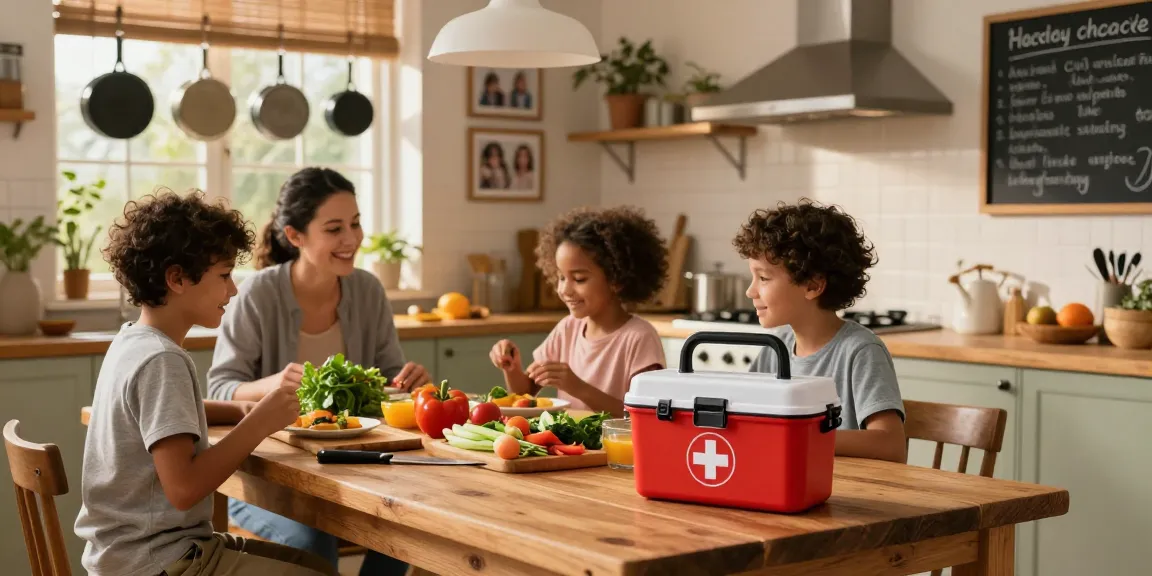
Understanding the Importance of a First Aid Box
A well-stocked first aid box is an essential component of safety in any environment, whether at home, in the workplace, or during outdoor activities. It serves as the first line of defense against injuries and medical emergencies, providing critical supplies for addressing a variety of health issues promptly. Recognizing the significance of having a first aid box readily available can save lives, promote safety, and ensure a swift response in times of need. In this article, we’ll explore the components, common mistakes, and maintenance tips for a first aid box to help you build an effective safety resource.
What Should Be Included in Your First Aid Box?
To ensure a comprehensive response to potential emergencies, a first aid box should contain a variety of items. Below is a list of essential components:
- Adhesive Bandages: Various sizes for cuts and abrasions.
- Sterile Gauze Pads: To cover larger wounds and absorb blood.
- Adhesive Tape: For securing dressings.
- Antiseptic Wipes or Solution: To clean wounds and prevent infection.
- Antibiotic Ointment: To apply on cuts to reduce infection risk.
- Pain Relief Medication: Over-the-counter options like ibuprofen or acetaminophen.
- Scissors and Tweezers: For cutting gauze, tape, or removing splinters.
- Cold Packs: For reducing swelling and soothing injuries.
- Alcohol Swabs: For disinfecting and cleaning tools.
- Thermometer: To check for fever.
Common Mistakes When Assembling a First Aid Box
When creating your first aid box, avoid these common pitfalls:
- Overlooking Expiration Dates: Regularly check and replace expired items.
- Neglecting Personal Needs: Include medications or supplies relevant to specific family members.
- Inadequate Size: Ensure the box is large enough to hold all necessary items without overcrowding.
Why Regularly Checking Your First Aid Box is Crucial
Maintenance is key to ensuring that your first aid box is always ready for use. Regular checks can prevent shortages and ensure all items are functional and available. Additionally, staying aware of changes in your household or work conditions, such as new allergies or medical conditions, allows you to modify the contents accordingly.
Identifying the Right First Aid Box for Your Needs
Choosing the right first aid box is crucial for effective emergency response. Consider the following factors to find the best fit for your requirements.
Size and Capacity: Finding the Right Fit
First aid boxes come in various sizes. When selecting one, think about where you will store it and how many supplies you anticipate needing. Larger first aid kits are ideal for family homes or workplaces with multiple individuals, while smaller, portable kits are useful for travel or outdoor activities.
Material and Durability Considerations
Durability is essential, especially if the kit will be transported frequently. Choose a first aid box made from sturdy materials that can withstand wear and tear. Waterproof options are beneficial for outdoor use, protecting supplies from moisture and damage.
Customizing Your First Aid Box for Specific Activities
Your first aid box should reflect the activities you engage in. For instance, if you plan to go hiking, include items like blister pads, snake bite kits, or additional insect repellent. Tailoring the contents based on scenarios ensures preparedness for unique risks.
Where to Store Your First Aid Box Effectively
Storing your first aid box correctly is essential for easy access during emergencies. Below, we discuss optimal storage locations and considerations for maintaining the integrity of your supplies.
Best Locations for Easy Accessibility
Choose a location that is both accessible and familiar to all potential users. Common storage locations include:
- Kitchen cabinets.
- Bathroom closets.
- Utility rooms.
- Vehicles for road trips or outdoor excursions.
Environmental Factors to Consider for Storage
Consider the environment when choosing your storage space. Avoid areas that experience extreme temperatures or humidity, which can affect the efficacy of medical supplies. Storing your first aid box in a cool, dry place will help to preserve the integrity of its contents.
How to Organize Your First Aid Box for Quick Response
Organizing your first aid box can make a significant difference in response time during an emergency. Arrange items in groups based on their use. For example, keep all bandaging supplies together and store medications separately. Labeling sections of your kit can also help users quickly locate the necessary supplies.
Common First Aid Scenarios and Responses
Being prepared for common injuries and emergencies is the key to effective first aid. Familiarize yourself with typical scenarios and the appropriate responses.
Addressing Cuts and Scrapes Quickly
For minor cuts and scrapes:
- Clean the wound gently with soap and water.
- Apply antiseptic and cover it with a sterile bandage.
- Monitor for signs of infection, such as increased redness or swelling.
Essential Tips for Treating Burns Safely
In case of burns:
- Cool the burn under running water for 10 to 20 minutes.
- Cover it with a clean, non-stick dressing.
- Seek medical attention for burns larger than three inches or those that cause severe pain.
When to Seek Professional Medical Attention
Not all injuries can be treated at home. Seek professional medical attention in the following situations:
- Severe bleeding that doesn’t stop.
- Signs of infection (fever, increased pain, swelling).
- Loss of consciousness or severe trauma.
Future Trends in First Aid and Safety Equipment
As we move toward 2026, advancements in first aid and safety equipment are on the horizon. Staying informed about these trends can help you remain prepared.
Innovative Features to Look for in 2026
Future first aid kits are expected to include features such as:
- Smart Technology: Integration of connected devices to monitor health impacts.
- Multi-functional Kits: Kits that combine first aid supplies with survival tools.
- Personalization Options: Customizable kits based on individual health needs.
Technological Advancements in First Aid Kits
Technological advancements are likely to revolutionize first aid kits with innovations such as:
- Wearable Health Monitors: Devices that can alert users to health crises.
- App Integration: Applications that guide users through treatment processes in real-time.
Predictions for Safety Regulations Impacting First Aid Supplies
Changes in safety regulations may influence the contents of first aid supplies. Expect stricter guidelines related to:
- Workplace safety protocols.
- Medical supply certifications.
What are the essential items every first aid box should have?
The essential items include adhesive bandages, gauze pads, antiseptic wipes, and pain relief medications, among others. Ensure to tailor your first aid box to your specific needs.
How often should I restock my first aid box supplies?
Regularly check your first aid box every three to six months to replace expired items and ensure adequate supplies for preparedness.
What signs indicate my first aid box is insufficient?
Signs of an insufficient first aid box include expired materials, lack of essential items for specific activities, or an unorganized layout that hampers access during emergencies.
Can I customize my first aid box for specific activities?
Absolutely! Customization is key for ensuring effectiveness. Consider factors like activity type, duration, and potential hazards when customizing your supplies.
What are the regulations for first aid boxes in workplaces?
Workplace regulations often mandate that first aid boxes meet specific criteria based on the number of employees, type of work conducted, and potential risks. Familiarize yourself with local laws to ensure compliance.