
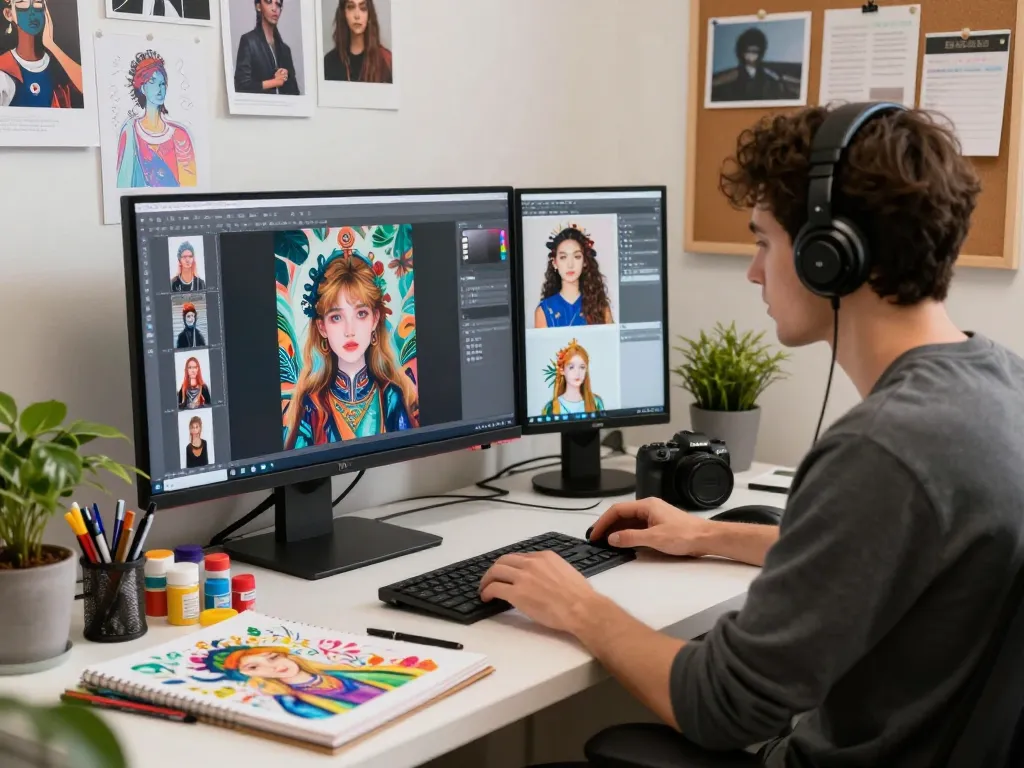
Understanding the Image to Prompt Generator
In today’s digital landscape, creative professionals continuously seek innovative ways to enhance their artistic workflows. One of the most exciting advancements in this realm is the use of an image to prompt generator. This technology allows artists, designers, and content creators to transform visual stimuli into detailed text prompts that can be utilized in AI art generators. As we delve deeper into this topic, we will explore its functionalities, benefits, and implications for various creative endeavors.
What is an Image to Prompt Tool?
An image to prompt generator is an AI-based tool that converts images into textual descriptions, or prompts, which can then be input into AI art generation platforms. This tool analyzes visual elements such as composition, lighting, subjects, and styles, essentially bridging the gap between visual inspiration and actionable creative instructions. It serves as a tool that empowers users to articulate their artistic visions more clearly, thereby enhancing the output quality of AI-generated artworks.
How Image to Prompt Works
The mechanics behind an image to prompt generator are quite fascinating. When a user uploads an image, the tool employs advanced computer vision algorithms and deep learning techniques to dissect the picture. It examines various features such as color gradients, textures, and shapes to craft a coherent and descriptive text prompt. The entire process typically unfolds in three steps:
- Upload Your Image: Users can effortlessly upload PNG, JPG, or WEBP files.
- Select the Desired AI Model: Depending on the target application, users can choose from models optimized for different platforms like Midjourney, Stable Diffusion, and Nano Banana.
- Generate the Prompt: Once processed, the generator outputs a descriptive text that can be used for AI art creation.
Benefits for Digital Creators
Using an image to prompt generator provides numerous advantages for artists and designers:
- Increased Efficiency: It saves time by converting visual ideas into textual descriptions almost instantaneously, allowing creators to focus on the artistic process rather than technical details.
- Enhanced Creativity: By providing prompts that may not have been considered, it inspires new artistic directions and ideas.
- Model-Specific Optimization: The tool tailors prompts according to the specifications of different AI models, ensuring the best results for each use case.
Choosing the Right AI Model for Your Needs
Overview of Supported AI Models
Our image to prompt generator supports several popular AI art generation models, including:
- Midjourney: Optimized for creativity and artistic flair, Midjourney prompts can include stylistic descriptors and poetic elements.
- Stable Diffusion: This model focuses on accuracy and technical precision, resulting in prompts that emphasize critical keywords and clear instructions.
- Nano Banana: Designed for creative and quirky outputs, this model enables a playful take on artistic prompts.
- Flux: Tailored for state-of-the-art AI performance, Flux requires concise and effective language for optimal generation.
Differences Between Image to Prompt Models
Each AI model interprets prompts uniquely based on its algorithms and training. For instance, while Midjourney thrives on emotional resonance and artistic interpretation, Stable Diffusion is more geared towards detail and precision. Understanding these differences allows creators to better tailor their prompts for maximum effectiveness.
Model-Specific Prompt Optimization Techniques
To maximize the efficacy of your prompts across different models, consider the following tips:
- Understand the Model’s Language: Familiarize yourself with how each model interprets prompts—this includes knowing what keywords yield better results.
- Experiment with Tone and Style: Adjust the tone of your descriptions based on the intended outcome. For Midjourney, consider poetic language; for Stable Diffusion, more straightforward descriptions often work better.
- Test Different Variations: Don’t hesitate to iterate on your prompts. Small changes can lead to drastically different and improved results.
Maximizing Creativity with Effective Prompts
Techniques for Crafting Detailed Prompts
To generate effective prompts, it is essential to be descriptive and specific about the elements you wish to highlight in your imagery. Consider the following techniques:
- Focus on Details: The more detailed the prompt, the better the AI can understand your vision. Include specifics about colors, styles, and emotions.
- Incorporate Artistic Styles: Mention artistic movements (e.g., Impressionism, Surrealism) or styling techniques (e.g., abstract, minimalist) to guide the generation.
- Use Action Verbs: Describe what you want the scene to convey or the kind of movement taking place, using verbs that evoke action.
Real-World Examples of Successful AI Art
Numerous artists have successfully leveraged image to prompt generators to enhance their creative outputs. For example, an artist may upload a serene landscape photo, generating a prompt that emphasizes calmness and tranquility. This prompt could lead to artwork that invites the viewer into a peaceful, meditative state, thus achieving the artist’s desired emotional impact.
Common Mistakes to Avoid When Generating Prompts
When using an image to prompt generator, avoid the following pitfalls:
- Being Too Vague: Ambiguous language can lead to unsatisfactory results. Be specific in your descriptions.
- Ignoring Model Differences: Not tailoring your prompts according to the selected AI model can yield poor outcomes.
- Overly Complex Prompts: While details are essential, overly intricate prompts can confuse AI models. Keep it clear and focused.
Enhancing AI Video Generation Capabilities
How Image Prompts Influence Video Output Quality
As AI video generation technologies evolve, the quality of input prompts becomes increasingly crucial. A well-structured image prompt can lead to smoother transitions and higher visual fidelity in the resulting videos. By analyzing each frame in a video, creators can craft detailed prompts that maintain consistency and clarity throughout.
Preparing Video Frames for AI Input
When preparing video frames for AI input, consider these steps:
- Select Key Frames: Choose frames that represent significant moments in your video to generate prompts that reflect the overarching narrative.
- Analyze Each Frame: Use the image to prompt generator for each key frame to extract vital elements that will be required for effective storytelling.
- Iterate on Prompts: Test and refine prompts to ensure that they cohesively align with the flow of your video.
Best Practices for Optimizing Video Prompts
To achieve optimal results in video generation, employing best practices is essential. Make sure to:
- Maintain Consistency: Use similar styles and tones in your prompts across frames to maintain continuity.
- Utilize Descriptive Language: Just as with still images, descriptive language in prompts can significantly enhance the quality of generated videos.
- Feedback Loop: Gather feedback on your video outputs and fine-tune your prompts based on the results received.
Privacy and Speed in Image Processing
Ensuring User Privacy with Image Uploads
Protecting user privacy is paramount when utilizing an image to prompt generator. At ImagePrompt.cc, we implement strict privacy measures to ensure that uploaded images are processed confidentially and efficiently. Images are analyzed in real-time and immediately deleted from our servers, assuring users that their creative assets remain secure.
Fast Processing for Creative Workflows
Speed is another crucial factor for creative professionals. Our platform is designed to deliver results quickly, enabling users to generate prompts almost instantaneously. This quick turnaround allows artists and designers to maintain their creative momentum without unnecessary interruptions.
Future Trends in AI Image Processing for 2026
As we look ahead to 2026, we anticipate several exciting trends in AI image processing:
- Enhanced Model Interoperability: Future advancements will likely improve how different AI models interact, allowing for seamless transitions between platforms.
- More Customization Options: Users will have the ability to tailor their prompts even further, specifying artistic styles or particular themes more precisely.
- Increased Focus on Ethical AI: As concerns about privacy and data usage grow, the AI community will likely prioritize ethical considerations in the development of image processing tools.
Can I Use This Tool for Free?
Yes, the image to prompt generator is available for free, providing unrestricted access to users who wish to enhance their creative practices without incurring costs. This accessibility empowers a diverse range of creators, from hobbyists to seasoned professionals.
What AI Models Do You Support?
Our platform supports several prominent AI models, including Midjourney, Stable Diffusion, Nano Banana, and Flux. Each model has unique characteristics and strengths, allowing creators to select the one that best suits their needs.
Is Prompt Generation Accurate?
The accuracy of prompt generation can vary based on several factors, including the quality of the input image and the complexity of the desired outcome. However, our advanced algorithms strive for the highest level of precision, ensuring that users receive detailed and relevant prompts aligned with their creative intentions.