
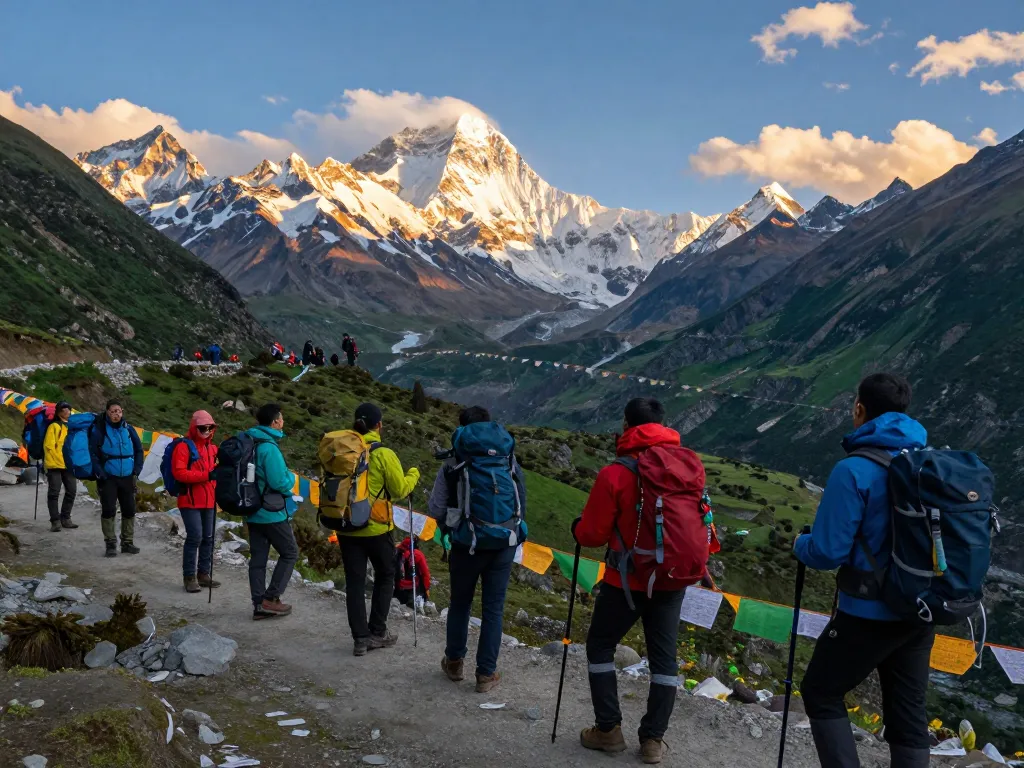
Overview of the Everest Base Camp Trek
The Everest Base Camp Trek is one of the most iconic high-altitude treks in the world, drawing adventurers and nature enthusiasts alike to experience the grandeur of the Himalayas. This 14-day trek not only leads you to the base camp of the world’s highest peak, Mount Everest, but also offers breathtaking views of surrounding mountains, vibrant Sherpa culture, and a unique opportunity to witness the raw beauty of nature. When exploring options, Everest Base Camp provides comprehensive insights into the adventure awaiting trekkers.
History and Significance of Everest Base Camp
Mount Everest, standing at 8,848 meters (29,029 feet), has fascinated climbers and explorers since the early 20th century. The trek to Everest Base Camp (EBC), situated at 5,364 meters (17,598 feet), serves as the first step for many who aspire to climb this formidable peak. The base camp holds historical significance, being the launch point for numerous expeditions, including Sir Edmund Hillary and Tenzing Norgay’s historic ascent in 1953. Today, it symbolizes the spirit of adventure and the relentless pursuit of conquering nature’s challenges.
The Unique Challenges of the Trek
While the Everest Base Camp trek is renowned for its stunning scenery, it also presents unique challenges. Trekkers must acclimatize to high altitudes, navigate rugged terrain, and prepare for unpredictable weather conditions. Altitude sickness is a significant concern, and understanding how to manage it is crucial for a successful trek. Additionally, the trek requires a good level of physical fitness, as participants will be walking for several hours a day on steep inclines.
What to Expect During Your Journey
As you embark on this memorable journey, expect a diverse range of experiences. From lush green valleys and vibrant Sherpa villages to the stark beauty of high-altitude landscapes, each day will bring new wonders. You will have opportunities to interact with local communities, sample traditional foods, and witness breathtaking sunrises and sunsets over the towering peaks of the Himalayas.
Itinerary Breakdown for 14 Days
Day-by-Day Trekking Schedule
The 14-day itinerary is expertly crafted to balance trekking with necessary acclimatization. You will begin your journey in Kathmandu, where you will fly to Lukla and then trek through the Khumbu region. Key stops include the bustling town of Namche Bazaar, the tranquil village of Dingboche, and the awe-inspiring Everest Base Camp itself. Each day is filled with trekking, exploration, and moments of reflection amidst stunning natural beauty.
Key Highlights on the Route to Base Camp
- Namche Bazaar: Known as the gateway to the Everest region, this vibrant town offers shops, restaurants, and stunning mountain views.
- Tengboche Monastery: The largest monastery in the Khumbu region, it’s a serene spot for meditation and cultural immersion.
- Gorak Shep: The last settlement before the base camp, offering a glimpse into the harsh yet beautiful Himalayan environment.
- Kala Patthar: A must-do sunrise hike that rewards trekkers with breathtaking panoramic views of Everest and the surrounding peaks.
Acclimatization Days Explained
Acclimatization is vital for successfully completing the trek. Scheduled acclimatization days, particularly in Namche Bazaar and Dingboche, allow your body to adjust to the higher altitudes. During these days, trekkers can engage in shorter hikes to nearby peaks, which help enhance their acclimatization and build stamina while also enjoying stunning views of the surrounding landscape.
Preparation for the Everest Base Camp Trek
Essential Packing List for Trekkers
Effective preparation begins with a comprehensive packing list. Essential items include warm clothing layers, sturdy trekking boots, a high-quality sleeping bag rated for cold temperatures, trekking poles, and personal essentials like medications and toiletries. Additionally, carrying a hydration system and water purification tablets is crucial for staying hydrated safely.
Physical Fitness Requirements
Physical fitness is paramount for tackling the challenges of the Everest Base Camp trek. Training should include cardiovascular exercises, strength training, and practice hikes at increasing altitudes. Aim for at least 3-4 sessions per week leading up to the trek, focusing on endurance and strength training.
Preparing for Altitude and Acclimatization
Understanding the effects of altitude and developing strategies for acclimatization is crucial. Hydration, a balanced diet rich in carbohydrates, and gradual ascent are key components. Familiarizing yourself with altitude sickness symptoms and treatment can also enhance your safety and enjoyment during the trek.
Costs and Inclusions for the Trek
Detailed Breakdown of Trekking Costs
The cost of the Everest Base Camp trek varies based on several factors, including group size, duration, and the services included. Generally, expect to pay around USD 1,600 to USD 1,800 for a standard package that covers permits, guides, accommodation, and meals during the trek.
Included Services and Permits
Your trekking package usually includes essential permits such as the TIMS (Trekking Information Management System) permit and the Sagarmatha National Park permit. Meals, accommodation in guesthouses, and the services of experienced guides and porters are also included for a seamless trekking experience.
Additional Expenses to Consider
Additional costs may arise from personal expenses such as snacks, beverages, hot showers, and optional cultural experiences. Budget around USD 10-20 per day for these expenses to ensure a comfortable trekking experience.
FAQs About the Everest Base Camp Trek
What is the best time to trek to Everest Base Camp?
The best times to trek are during the spring (March to May) and autumn (September to November) when weather conditions are stable, and views are typically unobstructed. These seasons also offer the most pleasant temperatures for trekking.
How difficult is the trek to Everest Base Camp?
The trek is considered moderate to difficult, requiring a good level of fitness and preparation. Trekkers should be prepared for long days of hiking and the challenges posed by high altitudes.
Can beginners successfully complete the trek?
Yes, with proper preparation and a reasonable level of fitness, beginners can successfully complete the trek. Training, acclimatization, and choosing a reputable guide can significantly enhance the trekking experience.
What safety measures are in place during the trek?
Safety is a top priority. All treks are led by experienced guides who are trained in first aid and high-altitude sickness management. Emergency evacuation procedures and communication systems are also in place to ensure trekkers’ safety.
How can I prepare for unpredictable weather conditions?
Weather in the Himalayas can be unpredictable. It’s essential to pack layers and be prepared for sudden weather changes. Staying informed about weather conditions during the trek can also help in making informed decisions.


