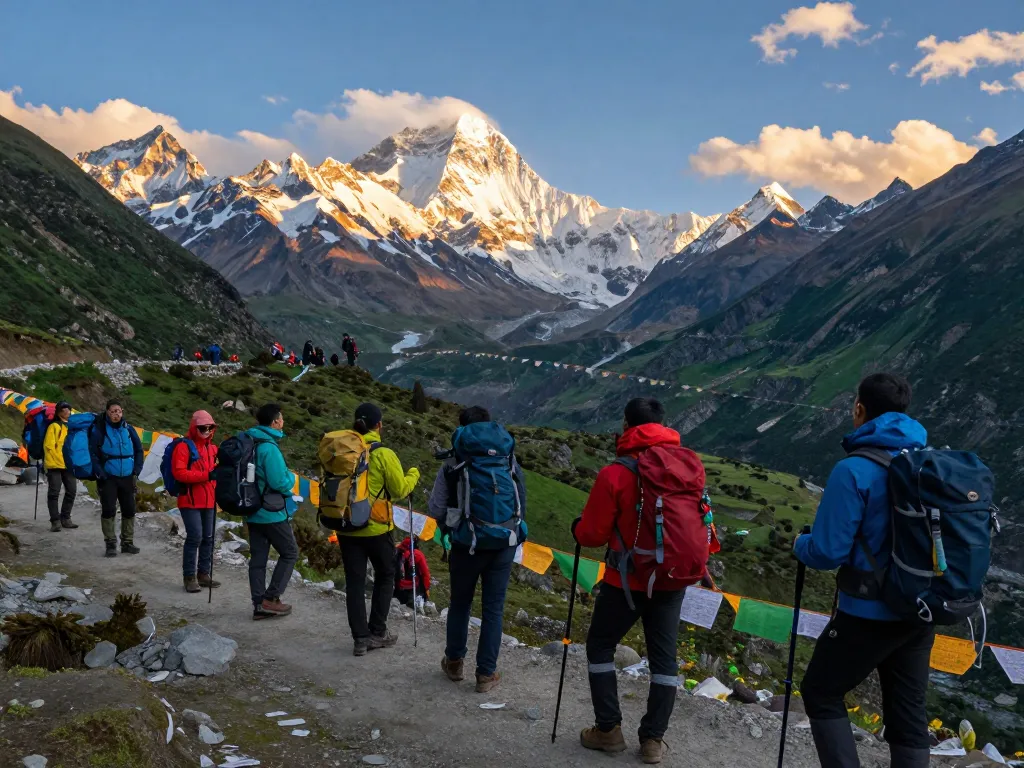

Discovering Australia’s Natural Wonders
Australia is a land of breathtaking contrasts, where stunning natural landscapes and unique ecosystems create diverse environments that captivate adventurers and nature lovers alike. From the vast Outback to lush rainforests and pristine beaches, Australia boasts some of the world’s most incredible natural wonders. With an unparalleled commitment to preserving its environmental heritage, the country beckons travelers to explore its unspoiled beauty. Indeed, there’s no better way to connect with Australia than by immersing oneself in its remarkable landscapes.
Top Natural Landscapes to Explore in Australia
One of the foremost attractions in Australia is its diverse range of natural landscapes. Here are some must-visit sites that showcase the country’s natural beauty:
- The Great Barrier Reef: Stretching over 2,300 kilometers along the Queensland coast, the Great Barrier Reef is the world’s largest coral reef system. This UNESCO World Heritage site is not only a visual masterpiece but also a vital marine ecosystem that supports incredible biodiversity.
- Uluru: Also known as Ayers Rock, Uluru is a massive sandstone monolith located in the heart of the Northern Territory. Its cultural significance is deeply rooted in Indigenous traditions, making it a spiritual site as well as a striking visual landmark.
- The Whitsunday Islands: Renowned for their white sandy beaches and crystal-clear waters, the Whitsunday Islands are a tropical paradise must-see for beach lovers. Visitors can enjoy sailing, snorkeling, and sunbathing while soaking in stunning landscapes.
- The Blue Mountains: Just a short drive from Sydney, the Blue Mountains offer rugged scenery and scenic landscapes, featuring waterfalls, dramatic cliffs, and rich biodiversity. Trekking and rock climbing opportunities abound in this enchanting region.
- Fraser Island: The largest sand island in the world, Fraser Island is a UNESCO World Heritage site famed for its stunning beaches, rainforests, and freshwater lakes. It’s an excellent destination for those seeking adventure, with opportunities for 4WD tours and hiking.
Unique Flora and Fauna of Australia
Australia is home to some of the most unique flora and fauna in the world. Its isolation from other continents has led to the evolution of many distinctive species, making the country a biodiversity hotspot. Some highlights include:
- Kangaroos and Koalas: These iconic marsupials are emblematic of Australia. Kangaroos are known for their powerful hind legs and hopping motion, while koalas are famous for their cuddly appearance and affinity for eucalyptus trees.
- Great Barrier Reef Species: The reef is home to a plethora of marine life, including brightly colored corals, fish, sea turtles, and even sharks. Each species plays a crucial role in maintaining the reef’s ecosystem.
- Wombats and Platypuses: Wombats are burrowing mammals, while platypuses are one of only five existing species of monotremes, laying eggs instead of giving birth to live young. Both serve as vital components of Australia’s natural heritage.
- Endemic Flora: Australia’s unique climate has fostered the growth of diverse plant species, including the iconic eucalyptus and banksia. Many plants, like the wattle, are integral to Indigenous culture and cuisine.
Preserving Australia’s Environmental Heritage
Australia takes its environmental responsibilities seriously, with numerous initiatives aimed at preserving its natural heritage. This is vital not only for the wildlife but also for future generations. Efforts include:
- Protected Areas: A significant percentage of Australia is designated as protected areas, including national parks and marine reserves that conserve critical habitats.
- Conservation Programs: Various government and non-government organizations work tirelessly to rehabilitate threatened species and restore natural ecosystems.
- Community Engagement: Local communities are actively involved in conservation efforts through education initiatives, eco-tourism, and volunteer programs that raise awareness about preserving environmental integrity.
- Legislation: Stricter environmental laws are in place to protect endangered species and manage land use sustainably.
Cultural Richness Within Australia
The cultural mosaic of Australia is as diverse as its landscapes, blending Indigenous traditions with modern influences to create a rich tapestry of art, music, and festivals. Each component of Australian culture provides insight into the country’s heritage and societal values.
Understanding Indigenous Cultures of Australia
Australia’s Indigenous cultures are among the oldest continuous cultures in the world, renowned for their deep connection to the land and rich oral traditions. Indigenous Australians have a profound knowledge of sustainable land management developed over thousands of years. Key elements of their culture include:
- Dreamtime Stories: These narratives explain the creation of the land and its people, often conveying moral lessons and cultural values through storytelling traditions.
- Art and Symbols: Indigenous art, characterized by intricate patterns and vibrant colors, often communicates stories and cultural practices. It can be seen in rock paintings, bark paintings, and modern art forms.
- Connection to Country: For Indigenous Australians, the land is not merely a resource but a living part of their culture and identity, reflected in their spiritual practices and respect for nature.
Modern Australian Art and Music
Contemporary Australian art and music thrive through diverse influences. Classical, indigenous, and modern genres converge, producing an innovative cultural scene. Noteworthy movements include:
- Abstract and Contemporary Art: Australia boasts world-renowned artists such as Margaret Preston and Brett Whiteley, whose avant-garde styles often reflect themes of nature and identity.
- Indigenous Music: Traditional Indigenous music remains vibrant through performers like Geoffrey Gurrumul Yunupingu who blend ancient sounds with contemporary styles.\
- Popular Music: From rock legends like AC/DC to modern pop sensations like Sia, Australian musicians continuously push creative boundaries and explore various genres, presenting a significant contribution to global music trends.
Festivals Celebrating Australia’s Diversity
Australia hosts numerous festivals that showcase its diversity and cultural richness. These events foster community spirit and highlight various art forms, food, and traditions. Some notable festivals are:
- The Sydney Festival: Celebrating the arts with a variety of performances, exhibitions, and events throughout the city, bringing together local and international artists.
- Woodford Folk Festival: Held annually, this festival focuses on folk music, and storytelling, featuring performances from Australian and international artists while promoting environmental awareness.
- Naidoc Week: Celebrating the history, culture, and achievements of Aboriginal and Torres Strait Islander peoples, featuring community events, educational programs, and cultural performances.
Traveling Tips for Exploring Australia
Traveling in Australia often comes with unique challenges and offerings, making it essential to plan effectively to make the most of your trip. Here are some practical tips to enhance your Australian adventure:
Best Time to Visit Australia for Tourists
The optimal time to visit Australia largely depends on the region being explored, as its climate varies considerably. Generally, spring (September to November) and autumn (March to May) are ideal for travel, as the weather is mild, resulting in pleasant conditions for outdoor activities.
Essential Packing List for Your Australian Adventure
Your packing list should reflect the diverse environments you’ll encounter. Essentials include:
- Lightweight clothing suitable for warm weather
- Comfortable walking shoes for trekking and exploring
- Sun protection items like hats, sunglasses, and sunscreen
- Reusable water bottle to stay hydrated while on the go
Public Transport Options Across Australia
Public transport in Australia varies significantly between cities and regions. In major urban areas like Sydney and Melbourne, efficient networks of buses and trains can help navigate easily. For long-distance travel, consider options such as coaches, domestic flights, and train services to cover vast distances efficiently.
A Culinary Adventure in Australia
The culinary landscape of Australia is a reflection of its cultural diversity, where global influences blend with local ingredients to create a unique food scene that continually evolves. Food enthusiasts can delve into this gastronomic adventure through various regional specialties.
Must-Try Dishes from Different Regions of Australia
Each region in Australia boasts its unique culinary delights. Here are some must-try dishes:
- Meat Pie: A classic Australian comfort food, the meat pie consists of savory fillings encased in flaky pastry, often enjoyed at sporting events.
- Pavlova: This meringue-based dessert, topped with fresh fruits and cream, is an iconic Australian dessert with a crunchy exterior and soft, marshmallow-like interior.
- Lamingtons: Sponge cakes coated in chocolate and rolled in desiccated coconut, lamingtons are a beloved sweet treat, often served during celebrations.
Exploring Australia’s Wine Regions
Australia excels in wine production, with several acclaimed wine regions including Barossa Valley, Margaret River, and Hunter Valley. These areas offer wine tours, tastings, and vineyard experiences, making them perfect for oenophiles eager to indulge in local wines and gourmet offerings.
Food Festivals Celebrating Local Cuisine
Food festivals across Australia are popular events that highlight local produce and culinary experimentation. Events like the Margaret River Gourmet Escape and the Melbourne Food and Wine Festival showcase the diversity of Australia’s cuisine through tastings, workshops, and regional specialties.
The Thriving Economy and Business Landscape of Australia
Australia’s economy reflects its great diversity, combining agriculture, services, and high-tech industries. The landscape of business and commerce is robust, presenting numerous opportunities for growth and innovation.
Overview of Australia’s Economic Growth
Australia has experienced considerable economic growth over the decades, becoming one of the wealthiest nations globally. Its stable political environment and transparent regulatory framework create a favorable business climate, actively attracting foreign investment.
Business Opportunities for Entrepreneurs in Australia
For entrepreneurs, Australia boasts a dynamic market with chances in various sectors, including technology, renewable energy, and healthcare. Local support systems, such as business incubators and start-up accelerators, further aid entrepreneurs in launching their ventures.
Understanding the Job Market in Australia
The job market in Australia remains strong, with a notable demand for skilled workers across sectors like healthcare, education, and technology. Networking and professional development opportunities are abundant, making it accessible for newcomers to integrate into the workforce.
Frequently Asked Questions (FAQs)
What is the best time to visit Australia?
The best times to visit are during spring (September to November) and autumn (March to May) when the weather is mild and ideal for outdoor activities.
What is Australia famous for?
Australia is famous for its stunning natural landscapes, diverse wildlife, rich Indigenous cultures, and unique culinary offerings.
Do I need a visa to visit Australia?
Yes, most travelers require a visa to enter Australia. You can apply for various visa types based on the purpose of your visit.
What languages are spoken in Australia?
English is the official language of Australia, although many people speak various languages due to its multicultural society.
Is it safe to travel in Australia?
Yes, Australia is generally considered safe for tourists, with low crime rates and well-established emergency services in urban areas.