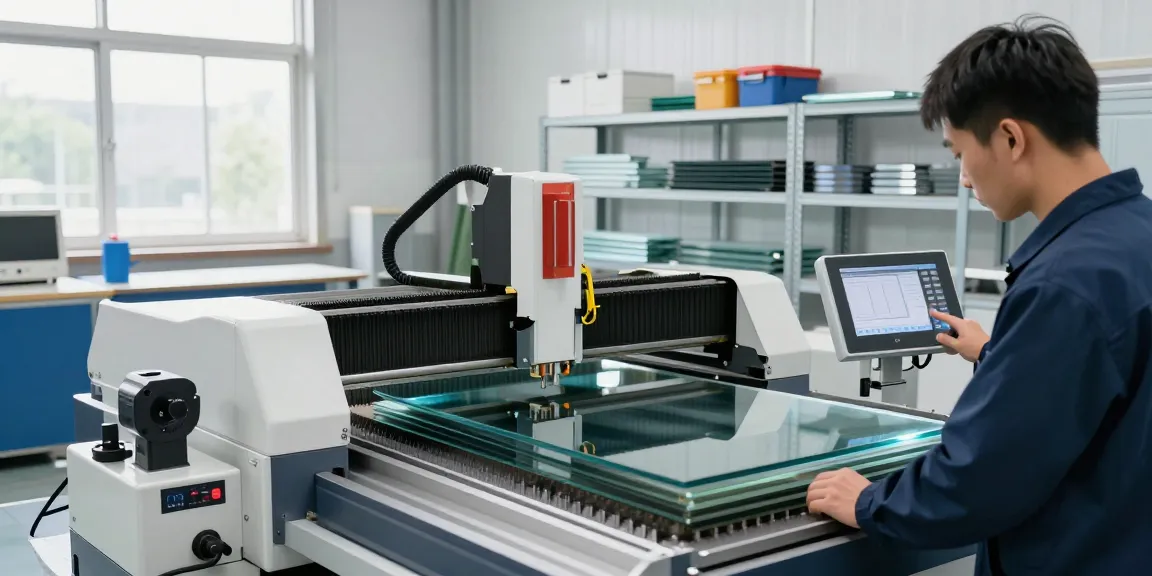
Understanding Textile Tensile Testing Equipment
In the rapidly evolving textile industry, the significance of tensile strength testing cannot be overstated. It serves as a vital process for assessing the durability and performance of various materials used in fabrics, leather, and footwear. As manufacturers seek to meet stringent quality standards and consumer expectations, leveraging advanced textile tensile testing equipment becomes essential. This comprehensive guide delves into the mechanisms, applications, and importance of such testing equipment, ensuring that manufacturers can make informed decisions to enhance their product offerings.
What is Textile Tensile Testing Equipment?
Textile tensile testing equipment is specialized machinery designed to evaluate the strength and elasticity of various materials, including fabrics, leather, yarn, and more. These machines function by applying a controlled tensile force to a test specimen until it breaks, measuring the force exerted and the material's elongation throughout the process. This data is crucial for determining the material's suitability for specific applications, ensuring compliance with regulatory standards, and facilitating quality control.
Importance of Tensile Strength in Textiles
Tensile strength is a fundamental property that indicates how much force a material can withstand before failing. In textiles, it directly correlates to factors such as durability, wear resistance, and overall performance in practical applications. High tensile strength is essential for products like outdoor gear, safety apparel, and upholstery fabrics, where material failure can have serious implications. Therefore, accurate tensile testing helps manufacturers design products that meet required safety standards while ensuring customer satisfaction.
Overview of Testing Standards and Compliance
The textile industry is governed by numerous international standards that dictate testing methods and acceptable performance levels. Some of these standards include ISO 13934-1, ASTM D5034, and ISO 3377-2. Compliance with these standards not only ensures the production of high-quality materials but also instills confidence in consumers regarding the safety and reliability of textile products. Using advanced testing equipment that adheres to these standards is paramount for manufacturers aiming to compete in the global market.
How Textile Tensile Testing Equipment Works
Understanding how textile tensile testing equipment operates is crucial for labs and manufacturers seeking to produce high-quality materials. The mechanics behind these machines are designed to accommodate a variety of tests, ensuring flexibility and precision across different applications.
Mechanics of the SmartPull Fabric Tester
The SmartPull Fabric Tester features a robust engineering design that utilizes an AC servo motor and ball screws for precise control. By applying a tensile force via these components, the machine ensures steady pulling power while minimizing measurement errors. A strain gauge transducer converts the mechanical force into an electronic signal, providing real-time feedback and accurate data throughout the testing process. This sophisticated setup not only enhances accuracy but also extends the lifespan of the testing apparatus.
Types of Tests Conducted and Their Applications
Textile tensile testing equipment can perform a variety of tests, including top-breaking, tearing, tension, shearing, compression, and peeling. These tests assess different characteristics of materials, providing valuable insights into the strengths and weaknesses of each fabric type. For instance, a tensile test can determine how a fabric withstands stress during regular use, while tearing tests can evaluate its resistance to ripping. This versatility makes the SmartPull tester invaluable across multiple industries, from fashion to aerospace.
Accurate Data Collection through Advanced Software
The SmartPull tester is equipped with powerful software that captures and analyzes a wide range of data during testing. Metrics such as tension, elongation, displacement, maximum force, peak speed, and stress are all displayed in real time. By providing these detailed insights, the software enables users to conduct thorough analyses, enhancing their understanding of material properties and ensuring consistent quality control. Additionally, the smart software can accommodate various testing standards, further simplifying the process for manufacturers.
Choosing the Right Textile Tensile Testing Equipment
Investing in textile tensile testing equipment is a significant decision for any manufacturer. With many options available in the market, understanding the key features and capabilities is essential for selecting the right machine for your needs.
Key Features to Look for in Testing Machines
- Precision and Accuracy: Look for machines that boast high accuracy levels, ideally under 1% measurement error.
- Multi-Functionality: Ensure the equipment can conduct a variety of tests to meet your specific needs.
- User-Friendly Interface: Choose machines with intuitive software that simplifies operation and data analysis.
- Compliance with Standards: Verify that the equipment meets ISO and ASTM testing standards to ensure reliable results.
- Durability: Opt for machines designed with high-quality materials to withstand frequent use without compromising performance.
Comparative Analysis of Leading Brands
When comparing brands, consider factors such as customer reviews, after-sales support, and the range of accessories available. ChiuVention's SmartPull Fabric Tensile Tester, for example, has received positive feedback for its user-friendly design and reliable testing results, making it a popular choice among manufacturers worldwide. Evaluating these aspects should guide you to make a well-informed purchase.
Cost Considerations and Budgeting for Equipment
The price of textile tensile testing machines can vary significantly based on features, capacity, and manufacturer reputation. Entry-level models may range from $3,000 to $10,000, while mid-range options typically cost between $10,000 and $30,000. High-end or customized models can exceed $30,000. It's crucial to assess your testing requirements and budget to determine what level of investment is justified. Requesting quotes from multiple vendors can also ensure a competitive pricing strategy.
Common Challenges in Textile Testing and Solutions
While tensile testing provides invaluable insights, manufacturers often face challenges related to calibration, accuracy, and equipment longevity. Addressing these issues is crucial for maintaining the integrity of test results.
Addressing Calibration and Accuracy Issues
Calibration is a vital aspect of any testing operation. Regularly checking and recalibrating equipment helps maintain accuracy, minimizing discrepancies in results. Advanced machines like the SmartPull include automatic calibration features that can simplify this process, ensuring consistent performance over time. Additionally, providing training for operators on best practices can help prevent common errors that undermine testing integrity.
Ensuring User Safety and Equipment Longevity
Safety is paramount when operating heavy machinery. The SmartPull Fabric Tensile Tester is designed with built-in safety mechanisms, including overload protection and emergency stop features. Regular maintenance and adherence to operational guidelines will prolong the lifespan of the equipment and ensure safe use.
Real-World Case Studies of Testing Failures
Learning from real-world failures can provide valuable lessons for manufacturers. A notable example involved the tensile testing of a new fabric that was initially deemed high-quality. However, after conducting accelerated wear tests, the fabric exhibited significant tearing under stress, leading to product recalls. This case highlighted the importance of rigorous testing and the need for manufacturers to prioritize thorough evaluation before releasing products to the market.
Future Trends in Textile Testing Equipment
The textile industry is poised for significant transformations in the coming years, driven by technological advancements and evolving consumer demands. Being aware of these trends will prepare manufacturers for the future of textile testing.
Technological Innovations Shaping the Industry by 2026
Emerging technologies such as artificial intelligence and machine learning are increasingly influencing textile testing methods. Integration of AI can improve data analysis, enabling faster and more accurate material assessments. Furthermore, automation will reduce the need for manual intervention in testing processes, increasing efficiency and lowering labor costs.
Impact of Industry 4.0 on Textile Testing
Industry 4.0, characterized by interconnected machines and real-time data sharing, is reshaping how textile testing is conducted. Smart testing equipment will enable seamless communication with supply chain systems, allowing for more dynamic responses to market demands and ensuring quality control is maintained throughout production cycles.
Preparing for Changing Standards and Regulations
As regulations evolve, manufacturers must stay ahead of industry standards to remain compliant. Keeping abreast of changes and ensuring testing equipment can accommodate new requirements will be crucial for avoiding costly rework or penalties. Regular training for staff on compliance techniques will also be beneficial.
What types of fabrics can the SmartPull tester evaluate?
The SmartPull tester evaluates a wide range of fabrics including woven, knitted, and non-woven materials. It's capable of testing leather, paper, and yarn, making it versatile for different industries.
How often should textile tensile testing be conducted?
Textile tensile testing frequency may vary based on production volume and material type. Regular assessments during production are recommended, with additional tests for new fabric batches or after significant changes in production methods.
What are the benefits of using Smart Software for testing?
Smart software enhances the testing process through real-time data monitoring, comprehensive analysis, and automated reporting. This functionality increases reliability and ensures that manufacturers can make informed decisions seamlessly.
Can the equipment accommodate different testing standards?
Yes, advanced tensile testing equipment like the SmartPull is designed to comply with multiple international standards, ensuring flexibility in testing procedures and results.
What is the typical lifespan of the tensile testing machine?
With proper maintenance, a quality tensile testing machine can have a lifespan of over a decade, making it a long-term investment for manufacturers.