
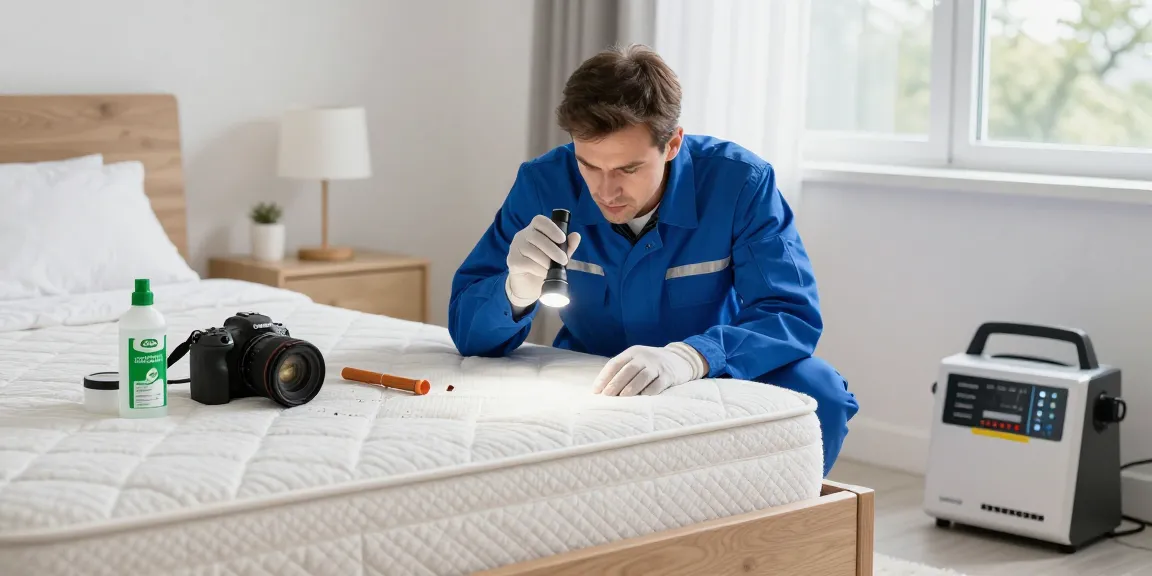
Understanding Bed Bugs: The Basics
Bed bugs are small, parasitic insects that feed on the blood of humans and other warm-blooded hosts. Their nocturnal habits often lead to infestations in bedrooms and living spaces, creating significant discomfort and health risks for occupants. With the resurgence of bed bug populations in recent years, understanding their biology and behaviors is crucial for effective bed bug treatment. By identifying what bed bugs are, how they behave, and the signs of their presence, homeowners can take proactive measures to address infestations swiftly.
What Are Bed Bugs and How Do They Infest Homes?
Bed bugs (Cimex lectularius) are tiny, reddish-brown insects that typically measure about 1/4 inch in length. They thrive in warm environments and are expert hitchhikers, often traveling into homes via luggage, clothing, or used furniture. Once inside, they prefer to hide in cracks and crevices near sleeping areas, making detection challenging. Bed bugs lay eggs in clusters, and a single female can produce up to 500 eggs in her lifetime, leading to rapid population growth if left unchecked.
Common Signs of Bed Bug Infestations
Identifying a bed bug infestation early is crucial. Common signs include:
- Red, itchy welts on the skin, often arranged in a line or cluster.
- Bloodstains on bed linens or upholstery from crushed bugs.
- Dark spots of bed bug excrement on mattresses or furniture.
- Egg casings and shed skins in hiding spots.
Regular inspections and awareness of these signs can help prevent a minor issue from escalating into a full-blown infestation.
Health Risks Associated with Bed Bugs
While bed bugs are not known to transmit diseases, their bites can lead to severe allergic reactions and secondary infections from scratching. The psychological impact of bed bug infestations should not be underestimated, as sleepless nights and anxiety can result from fear of bites. By addressing infestations promptly, homeowners can alleviate both physical and mental health concerns.
Comprehensive Bed Bug Treatment Options
Effective bed bug treatment involves a combination of methods tailored to the severity of the infestation. In Milwaukee and surrounding areas, multiple treatment options are available, including heat treatments, chemical applications, and integrated pest management strategies designed to eliminate all stages of bed bugs.
Heat Treatments: An Eco-Friendly Solution
Heat treatments have gained popularity due to their effectiveness and environmentally friendly nature. This method involves raising the temperature in infested areas to a level lethal to bed bugs and their eggs (typically around 120°F). The advantages of heat treatment include:
- Comprehensive kill rate: Heat effectively eliminates all life stages, including eggs, ensuring that the infestation is eradicated.
- Minimal chemical use: Great for eco-conscious consumers or those with allergies.
- Fast results: Many heat treatments can clear an infestation in just one visit.
Chemical Treatments: Effectiveness and Safety
Chemical treatments continue to be a widely used method for bed bug extermination. Professionals utilize commercial-grade insecticides that have a proven track record of efficacy. Key points about chemical treatments include:
- Residual effectiveness: Certain chemicals can provide a protective barrier lasting up to 120 days, reducing the chance of re-infestation.
- Targeted applications: Professionals can apply chemicals in hard-to-reach areas that homeowners might miss.
- Comprehensive safety: Licensed exterminators ensure that chemical applications are safe for both residents and pets.
Integrated Pest Management: A Multifaceted Approach
Integrated Pest Management (IPM) combines various strategies for a holistic approach to bed bug control. This includes:
- Inspection: Thorough inspections to identify all affected areas.
- Prevention: Educating homeowners about bed bug behavior and prevention techniques.
- Ongoing monitoring: Regular follow-ups to ensure that treatments remain effective.
IPM not only targets existing infestations but also works to prevent future issues.
Evaluating Treatment Effectiveness
After treatment, evaluating the effectiveness of the chosen method is essential to ensure complete eradication of bed bugs. Various performance metrics can inform this assessment and guide future pest control strategies.
Key Performance Metrics for Bed Bug Treatments
To effectively measure the success of bed bug treatments, consider the following metrics:
- Reduction in bite reports: A significant decrease in reported bites post-treatment indicates a successful outcome.
- Visual inspections: Follow-up inspections to check for the presence of eggs, live bugs, or fecal stains.
- Customer feedback: Monitoring customer satisfaction through surveys or testimonials can provide insights into treatment effectiveness.
Real-World Case Studies on Treatment Outcomes
A thorough review of case studies demonstrates the efficacy of various bed bug treatments in different environments. For example, a treatment conducted in 22 apartments reported a 95% reduction in bed bug sightings within one month of applying a combination of heat and chemical treatments. Documenting these case studies assists pest control companies in refining their approaches and boosting client confidence.
Post-Treatment Monitoring and Prevention Strategies
After treatment, continuous monitoring is vital to ensure bed bugs do not return. Recommended strategies include:
- Regular inspections: Frequent checks can help catch any remaining bugs before they breed.
- Encasements: Using protective covers on mattresses and box springs can thwart bed bug access.
- Awareness: Keeping an eye out for signs of bed bug activity, especially when traveling or acquiring second-hand items.
The Importance of Professional Pest Control Services
Many homeowners consider DIY solutions for pest control; however, the complexities of bed bug infestations often require professional intervention. Engaging with expert services ensures treatment efficacy and minimizes the risk of re-infestation.
Why DIY Solutions May Fall Short
While DIY solutions are popular, they often lack the comprehensive approach necessary for eradicating established infestations. Many over-the-counter products only address visible bugs and fail to penetrate deep into their hiding spots. Furthermore, improper application of chemicals can lead to harmful side effects or ineffective results.
Choosing the Right Exterminator for Bed Bug Treatment
When selecting a pest control service, consider the following:
- Experience: Look for companies with a proven track record in handling bed bug problems specifically.
- Reviews and testimonials: Feedback from previous clients can provide insight into the quality of service.
- Methodology: Ensure they employ a comprehensive approach that includes both chemical and heat treatments.
Customer Testimonials & Success Stories
Many clients express immense relief after successfully eliminating bed bugs with professional help. For instance, one customer reported not only the removal of bed bugs but also an improvement in sleep quality and overall well-being, highlighting the psychological benefits of resolving such infestations.
Future Trends in Bed Bug Treatments for 2026 and Beyond
As bed bug populations continue to adapt and evolve, pest control methods must also advance. The future of bed bug treatment is poised to integrate innovative technologies and practices for enhanced effectiveness.
Emerging Technologies in Pest Control
Technological advancements are set to revolutionize pest control strategies. Innovations such as:
- Smart traps: Devices equipped with sensors that can detect bed bug activity in real-time.
- Biological control methods: Utilizing natural predators to help control bed bug populations.
- Data analytics: Using big data to track infestation trends and target treatment efforts more effectively.
Regulatory Changes Affecting Bed Bug Treatments
With increasing awareness of bed bug issues, regulatory bodies are likely to implement stricter guidelines and certifications for pest control methods. This will ensure that exterminators are trained adequately and use effective methods to protect public health.
Best Practices for Homeowners during Bed Bug Season
To mitigate the risk of infestations, homeowners should adopt preventive practices, especially during peak seasons. These include:
- Inspecting second-hand items: Thoroughly examining furniture or clothing before bringing them home.
- Using protective encasements: Cover mattresses and box springs to deter bed bugs.
- Regular cleaning: Vacuuming living areas and washing bedding regularly can help prevent new infestations.
What are the signs of a bed bug infestation?
Signs include bites on the skin, bloodstains on bedding, and dark fecal spots on surfaces. Visual inspections can also uncover eggs and shed skins.
How long does bed bug treatment typically take?
Treatment duration can vary based on the infestation size but generally ranges from a single visit for minor cases to multiple sessions for extensive infestations.
Are heat treatments effective against all life stages of bed bugs?
Yes, heat treatments are highly effective as they kill bed bugs in all life stages, including eggs, making them a comprehensive solution.
What can I do to prevent bed bugs from returning?
Preventive measures include regular inspections, using encasements, and practicing caution when traveling or acquiring second-hand items.
How can I choose a bed bug exterminator near me?
Research local pest control companies by checking online reviews, ensuring they specialize in bed bugs, and comparing their methods and customer service levels.